
How Smarter Scheduling Can Slash Call-Offs and Keep Guards on Post
High call-off rates are directly tied to higher turnover. Learn how predictable schedules, self-service tools, and digital shift offers can stabilize your workforce and cut churn.
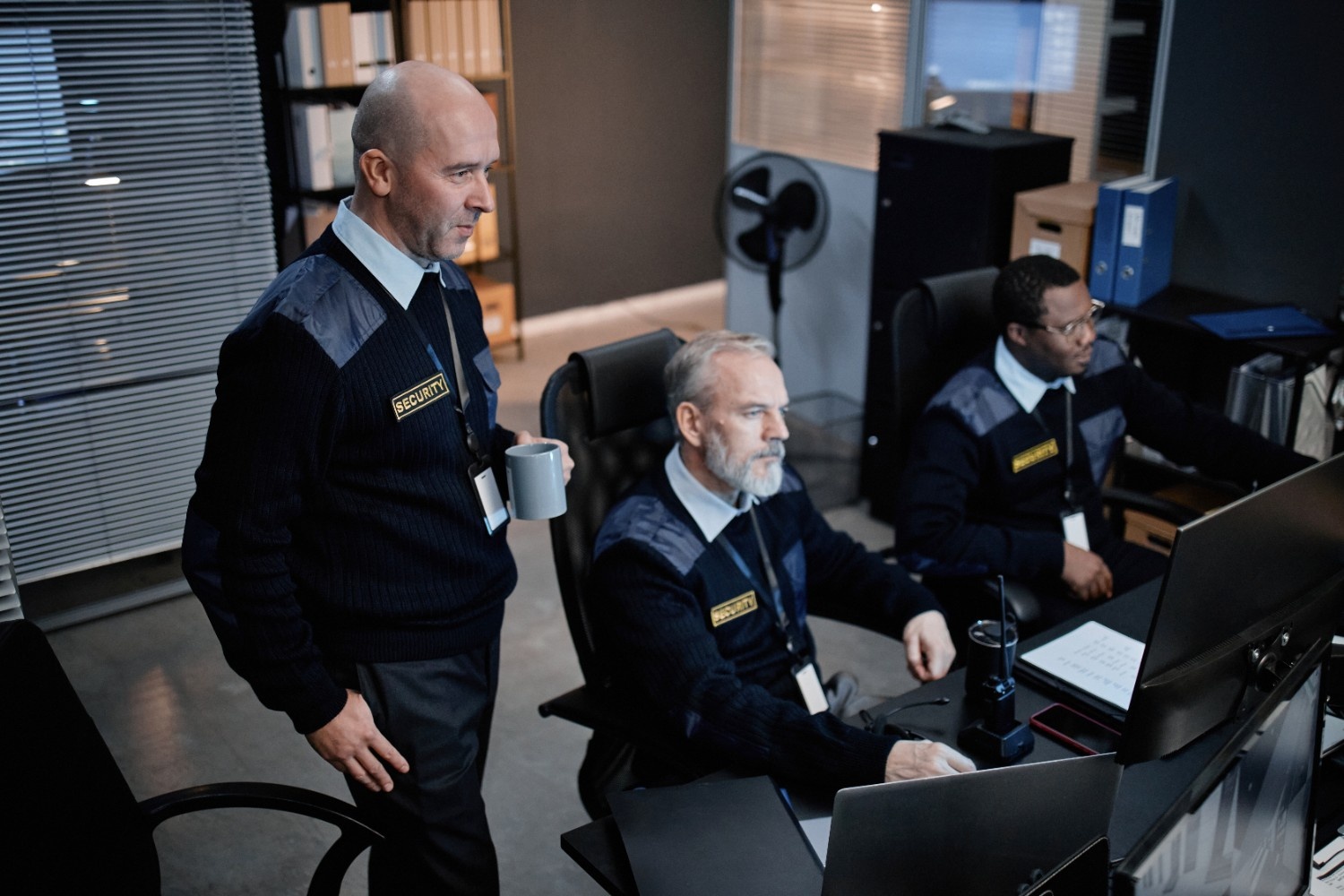
If you’ve ever scrambled to fill a post after a last-minute call-off, you know the frustration - and the cost. In the contract security world, it’s a recurring headache. But beyond the stress, high call-off rates have a deeper impact: they’re a leading indicator of turnover.
The Call-Off–Turnover Connection
Belfry’s Turnover to Tenure report found a strong correlation between call-off rates and turnover: r = 0.68.
In plain terms: the higher your call-off rate, the higher your turnover.
Why this matters:
- Every unplanned absence is a disruption that often triggers overtime costs.
- Supervisors spend more times rambling to cover shifts instead of focusing on client service or operational improvements.
- Frequent last-minute changes burnout the officers who do show up, leading to further disengagement.
“Call-offs aren’t just a scheduling issue - they’re an early warning sign of churn.”
— Belfry’s Turnover to Tenure Report
The Hidden Cost of Scheduling Chaos
Unpredictable scheduling has ripple effects:
- Higher Overtime Spend. Coverage often comes at premium pay rates.
- Service Quality Risks. Last-minute replacements may be unfamiliar with the site.
- Morale Damage. Over-relying on dependable officers to cover absences breeds resentment.
Over time, these factors drive disengagement… and disengagement drives turnover.
Hypothetical Example: The Shift Marketplace Advantage
Imagine a regional firm with 200 officers and a call-off rate averaging 5% per week. Using Belfry’s correlation data,they know they’re at risk for elevated turnover.
They implement:
- Predictable scheduling blocks so officers can plan ahead
- Belfry’s mobile self-service tool so officers can swap or pick up shifts without a supervisor’s call
- Digital shift offers that notify qualified officers instantly when posts open up
Result? Within six months, call-off rates drop to 2.5%, overtime spend decreases by 18%, and turnover begins trending downward.
This is a hypothetical scenario based on averages from Belfry’s Turnover to Tenure report, intended to illustrate the potential impact of smarter scheduling tools.
Why Predictability Matters
Many security firms unintentionally operate in “coverage crisis mode,” where schedules are reactive instead of planned. Officers with unpredictable schedules are:
- Less able to plan personal commitments
- More likely to seek a job with consistent hours
- More prone to burnout and absenteeism
Predictable schedules, even when shifts vary, reduce anxiety and improve satisfaction, especially for part-time or secondary-job officers.
The Role of Technology in Scheduling Stability
Belfry’s scheduling features are designed to reduce chaos and improve coverage speed:
- Digital Shift Offers fill posts 3x faster than manual phone calls.
- Mobile Self-Service. Officers can claim, swap, or drop shifts in-app.
- Vacancy Fill Time KPI Tracking. Monitor how quickly you can fill a short-notice or advance post.
When scheduling speed improves, so does morale… and turnover risk decreases.
Best Practices for Stable Scheduling
- Post Schedules Early. Give officers at least two weeks’ notice where possible.
- Set Clear Call-Off Protocols. Define notice periods and communication channels.
- Use Data to Spot Problem Patterns. Track call-off rates by officer, site, and shift type.
- Create an On-Call Pool. Maintain a list of officers who want extra hours and can step in quickly.
- Leverage Tech for Flexibility. Self-service tools empower officers and reduce admin time.
The Growth Factor Connection
Interestingly, Belfry’s report also shows that growth rate impacts turnover. Firms expanding 10 to 45% annually manage to keep turnover around 76%, far below the 120% industry average, partly because they tend to invest early in scalable scheduling systems.
The takeaway: If you’re growing, upgrading your scheduling approach isn’t optional… it’s essential.
Quick Fact:
Digital shift offers fill open posts three times faster than phone calls — speeding coverage and reducing last-minute overtime.
Your Next Step
If call-offs are eating into your margins, your scheduling process needs a tune-up.
Download the full Turnover to Tenure report for Belfry’s scheduling stability checklist and KPI targets.
See Belfry's Shift Marketplace in a 1:1 demo to see how digital scheduling can reduce churn and overtime.

