
How Security Guard Tracking Software Improves Client Transparency
How Security Guard Tracking Software Improves Client Transparency Learn how security guard tracking software gives clients real-time patrol records, GPS-verified coverage, and digital reports, building the trust that retains contracts.
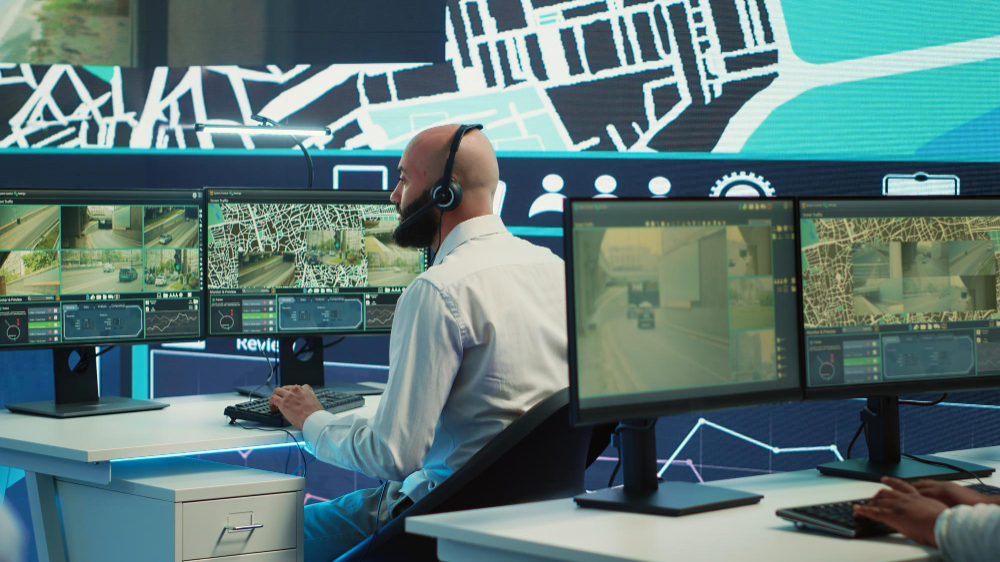
It's 2:07 a.m. A property manager overseeing a commercial office complex notices a camera angle that should have captured a security officer during a scheduled patrol. The guard isn't visible. Concerned, the client calls the security company and asks a simple question: "Was the patrol actually completed?"
The operations manager starts making calls. The supervisor checks handwritten notes. The officer is contacted. Several minutes later, the security company still doesn't have a definitive answer. The patrol may have happened. The officer may have simply walked outside the camera's field of view. But without verifiable records, the security company has no evidence to share.
This scenario plays out every day across the security industry.
The Visibility Gap in Security Operations
Many security companies still struggle to prove what their guards did, when they did it, and where they were during a shift. As a result, clients are often forced to rely on trust instead of evidence. Today's clients expect more. They want visibility. They want accountability. Most importantly, they want proof.
This is where security guard tracking software changes the game. Modern tracking platforms create a real-time, verifiable record of every patrol, checkpoint scan, incident report, and guard activity.
Instead of calling an operations manager for updates, clients can access the information themselves whenever they need it. The result is stronger trust, fewer disputes, improved client relationships, and higher contract retention rates.
What Clients Actually Want From Their Security Company
Most security companies work hard to deliver quality service. The problem isn't necessarily performance. The problem is visibility. Clients often have no way to verify that patrols occurred as scheduled unless something goes wrong. A guard may complete every required checkpoint throughout the night, but if the client cannot see evidence of that work, they may still question whether coverage was delivered.
This creates what many security firms experience as the transparency gap.
Clients Want Evidence, Not Assurances
Ten years ago, a monthly report and occasional phone call may have been enough to satisfy most clients. Today, expectations have changed. Property managers, retail operators, logistics facilities, healthcare campuses, and commercial real estate firms increasingly expect real-time access to operational data.
They want answers to questions like:
- Was the patrol completed?
- Did the officer visit every checkpoint?
- When did the incident occur?
- How quickly was it addressed?
- Is the guard currently on site?
Providing verbal reassurance is no longer enough. Clients want documented proof. For more insights into evolving client expectations and reporting standards, read our article on Security Guard Reporting: What Clients Expect Today.
Transparency Is Now a Business Development Issue
Many security companies still view reporting and patrol tracking as operational functions. In reality, transparency directly impacts sales, renewals, referrals, and long-term account growth. When clients cannot verify service delivery, doubt begins to grow. During contract renewals, competitors can exploit that uncertainty.
By contrast, companies that provide real-time visibility strengthen client confidence every day. This is one reason many firms are investing in security operations management solutions that connect patrol tracking, reporting, workforce activity, and client communication into one platform.
GPS Tracking and Verified Patrol Records Create Proof of Service
One of the biggest advantages of security guard tracking software is its ability to transform guard activity into verifiable proof of service. Rather than relying on manual logs or verbal updates, every patrol becomes digitally documented.
GPS Tracking Confirms Coverage in Real Time
Modern GPS guard tracking technology allows supervisors and authorized clients to see where officers are during active shifts. This visibility provides immediate reassurance that coverage is being delivered according to client requirements. Instead of wondering whether a patrol was completed, clients can review timestamped records that confirm guard activity.
For security companies, this creates accountability without increasing administrative work.
NFC and Geofenced Checkpoints Verify Patrol Completion
Advanced guard tour software uses NFC tags, QR codes, and geofenced checkpoints to document patrol activity. As guards move through a property, they scan designated checkpoints using a mobile device. Each scan creates a digital record that includes the time completed, verified location, assigned officer, patrol sequence, and completion status.
This creates an indisputable audit trail of patrol activity.
Retail Client Example: Five Locations, One Source of Truth
Consider a regional retail chain with five store locations. Before implementing security patrol tracking software, the client regularly contacted the operations team to verify overnight patrol coverage. Managers spent valuable time responding to requests and manually gathering information.
After implementing checkpoint tours and client visibility tools, store managers simply log in each morning and review completed patrol records themselves. No emails. No phone calls. No uncertainty. The data speaks for itself.
Missed Checkpoint Alerts Protect Client Confidence
When a checkpoint is missed, the worst outcome is discovering the problem after the client does. Modern guard patrol management software immediately notifies supervisors when patrol requirements are not completed. Managers can investigate and resolve issues before they become client complaints.
For organizations looking to connect patrol tracking with attendance, workforce accountability, and roster management, integrating security guard and staff scheduling software with security guard timekeeping and tracking software provides complete visibility across every shift.
Digital Reports Clients Can Access Anytime
Patrol verification is only part of the transparency equation. Clients also want visibility into incidents, observations, and daily site activity. This is where digital reporting becomes essential.
Mobile Incident Reporting Delivers Information Instantly
Traditional incident reporting often involves handwritten reports that are reviewed hours after an event occurs. Modern security guard monitoring software allows officers to create reports directly from their mobile devices.
Reports can include:
- GPS location data
- Timestamps
- Photos
- Videos
- Notes
- Witness information
As soon as a report is submitted, authorized stakeholders can access it. Clients no longer need to wait until the end of a shift to understand what happened on their property. To learn more about modern reporting workflows, read our article on Real-Time Incident Reporting: What It Is and How It Works.
Daily Activity Reports Provide Consistency
One common client frustration is inconsistency. Different officers document information differently. Reports vary in quality. Important details get overlooked. Automated Daily Activity Reports solve this problem by standardizing reporting across every site. Clients receive structured, professional documentation regardless of which officer worked the shift.
Visual Evidence Builds Credibility
Photos and videos often communicate more effectively than written descriptions. If an officer discovers vandalism, a damaged gate, or a safety concern, visual documentation helps clients understand both the issue and the response. Instead of reading about a problem, clients can see exactly what occurred.
This level of transparency builds trust and demonstrates professionalism.
Eliminating the Phone Call Dependency
Perhaps the biggest benefit of digital reporting is reducing reliance on manual communication. When clients have immediate access to reports, they no longer need to call operations managers for routine updates. The information is already available. This improves responsiveness while reducing administrative workload.
Client Dashboards Create Always-On Visibility
The most transparent security companies don't simply send reports. They provide direct access to operational data.
Real-Time Client Portals Empower Clients
A modern client portal gives each customer access to information specific to their sites. Clients can review patrol activity, monitor checkpoint completion, access incident reports, download historical records, and verify service delivery. Instead of waiting for information to be sent, they can retrieve it whenever they choose.
Commercial Property Manager Example
Consider a commercial property manager overseeing multiple office buildings. During a competitive contract re-bid, leadership asks for evidence showing the value delivered by the current security provider. Without documentation, defending the contract becomes difficult.
With a client portal, the property manager can generate reports showing patrol completion rates, incident response activity, checkpoint history, and overall service delivery. The data becomes a powerful renewal tool. Instead of asking clients to trust your service, you're showing them measurable proof of performance.
Fewer Calls, Faster Resolutions
Client portals also reduce service overhead. Questions that once required multiple emails and phone calls can often be answered in seconds through self-service access. This improves the client experience while allowing operations teams to focus on higher-value activities.
For additional insights into how transparency improves account retention, read our article on How Software Improves Client Retention for Security Firms.
How Transparency Supports Client Retention
Many security contracts are lost not because service quality declines, but because clients cannot clearly see the value being delivered. Transparency changes that dynamic.
Verifiable Data Strengthens Renewal Conversations
When renewal discussions begin, companies with strong transparency practices enter the conversation with a significant advantage. Instead of defending their performance, they present evidence. Patrol completion records. Incident reports. Response times. Coverage history.
The conversation shifts from "Are you doing the job?" to "Look at everything we've delivered."
Transparency Creates Competitive Differentiation
Many security providers still rely on delayed reports, spreadsheets, and verbal updates. Companies that offer real-time visibility immediately stand out. Clients increasingly view transparency as part of the service itself. The easier it is for clients to verify performance, the more difficult it becomes for competitors to replace you.
This is why many firms view security workforce management software as a retention strategy, not simply an operational investment.
Trust Leads to Longer Contracts
Clients who can verify service delivery are generally more confident in their security provider. Confident clients tend to renew contracts more frequently, expand service agreements, refer other properties, and generate fewer disputes.
Trust is difficult to build but easy to lose. Transparency strengthens trust every day.
How Belfry Delivers Client Transparency
Belfry was built to help security companies turn guard activity into client-ready proof of service. Rather than relying on disconnected systems, Belfry combines patrol tracking, reporting, workforce visibility, and client communication into one platform.
Real-Time Client Portals
Clients can log in anytime to review live guard activity, patrol logs, incident reports, historical records, and site-specific performance data. The information is always available when they need it.
Verifiable Patrol Tours
Belfry supports NFC and geofenced checkpoint tours that provide timestamped proof of patrol completion. Every checkpoint scan becomes part of a permanent service record.
Live Officer Activity and Shift Drilldowns
Supervisors and client-facing account managers can view guard activity in real time. This visibility makes it easier to answer questions, investigate issues, and maintain accountability.
Structured Patrol Workflows
Custom patrol workflows ensure consistency across client sites. Clients can review completed patrol activities and understand exactly how service was delivered during every shift.
One Connected Operations Platform
Instead of juggling multiple systems, Belfry combines patrol tracking, reporting, scheduling, and client visibility into a unified platform. For firms evaluating operational technology, our Security Guard Scheduling Software: Complete Buyer’s Guide provides additional insights into selecting solutions that improve workforce coordination and service delivery.
Explore Belfry Guard Tracking
Clients who can see proof of service stay longer, dispute less, and refer more business. That's why security guard tracking software is no longer just an operational tool. It's a client retention tool.
By providing GPS-verified patrol records, real-time reporting, digital dashboards, and complete visibility into guard activity, security companies can build stronger client relationships while differentiating themselves from competitors.
Belfry helps security firms transform everyday guard activity into transparent, verifiable proof of service that clients can access anytime.
Explore Belfry guard tracking tools. Book a free demo today!

