
120 Officers, One AI Dispatcher: How LincRo Security Solutions Resolves 86% of Missed Clock-Ins
Belle AI Dispatcher picked up 2,719 missed clock-ins at LincRo, and 2,343 of them ended with the officer on the clock.
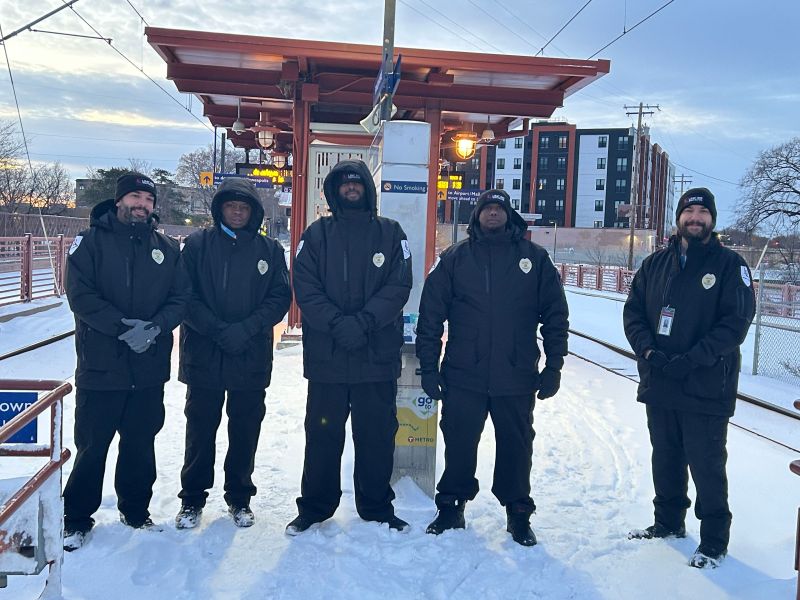
A lean back office, 120 officers, and a five-minute alarm
LincRo doesn't have a dispatch desk. For most of its growth it didn't need one, because Founder Jason Fellows and his management team were it.
When an officer didn't clock in, the alarm went to him. Five or six minutes past shift start, a notification fired. He had to open it, reach out to the officer, chase down a response, and own the resolution. Every missed clock-in. Every hour of the day. Nights and weekends on top.
At 120 officers and growing fast, that had stopped working.
An alert can tell you a post is empty. It can't go find out why. That part still came down to a person picking up a phone, and at LincRo that person was usually Jason.
Most owners of growing firms will recognize this version of dispatch: workforce management tools give real-time visibility, but the people actually solving the issues they surface are often the executives.
No pilot, no rollout plan, just on
LincRo was one of Belfry's earliest customers, and Jason has always been willing to try new tools. So when Belle became available, the decision didn't take long.
Belle is Belfry's AI dispatcher, built for security officer operations. She watches for shift exceptions (a missed clock-in, an unconfirmed shift, a post that has gone quiet, and more) and makes the first contact with the officer, following rules the firm sets for when she reaches out and what she says. If a situation needs a real decision, it goes to a person. If it doesn't, Belle resolves it herself.
Most owners evaluating a tool like this ask the same question first: will my officers actually engage with an automated system, or will they ignore a number they don't recognize?
LincRo didn't wait to find out. No phased rollout, no training session, no announcement to the field. It worked.
“We wanted to get the technology in place as quickly as possible. We weren’t exactly sure what to expect, so we took the approach of getting it up and running and letting it evolve from there.” — Jason Fellows
Officers started getting texts from Belle and, as far as Jason can tell, thought nothing of it. No complaints. Nobody asking who was texting them. Nothing for a supervisor to smooth over.
2,343 of 2,719 ended with the officer on the clock
Since launch, the missed clock-in workflow is the one LincRo leans on hardest, and it's the one that sold them on Belle in the first place.
Across the first 2,719 missed clock-in workflows in the first 5 months], 2,343 (86%) ended with the officer clocked in. Another 168 closed out as schedule corrections: shifts that had ended, officers who had been unassigned or reassigned, times that had changed. Those aren't failures. They're the schedule catching up with reality without anyone in the back office reconciling it by hand. The remaining 208 escalated to a person, which is exactly what they were supposed to do.
Jason and his managers see the outcome instead of making the call.
“It’s great when I see that Belle has already reached out to one of our officers, and he says he’ll be there in 12 minutes. At that point, I don’t have to worry about it. I know it’s already being handled.”
The rules are LincRo's. Belle takes the first touch, and the humans take the ones that actually need a human.
"You guys have saved me a lot of time."
Most exceptions close without a single reply
Here's the number that surprises people. Of those 2,719 workflows, only 819 involved an officer replying, about 30%. Meanwhile, 86% ended with the officer on the clock.
That means at least 1,500 of those clock-ins happened without the officer typing a word.
That gap is the whole story. A lot of the time, the officer is already standing at the post. They're early, they're parked, they're walking the perimeter, they're doing the job. They just haven't opened the app yet. They don't need a conversation. They need a reminder.
Belle sends it, the officer clocks in, and the exception closes itself. No text thread. No supervisor call. No one in the back office ever knew it happened. For a security workforce management system, that's the ideal outcome: the problem gets solved before it becomes anyone's problem.
It also reframes what a response rate means. A 30% reply rate would look like weak adoption if replies were the goal. They're not. The goal is making sure your officers are where they're supposed to be, when they're supposed to be, and being able to prove it to your clients.
Every nudge is also a training moment
LincRo has been hiring fast, and a growing roster brings a permanent onboarding problem: getting new officers to use the mobile app consistently, every shift, without a supervisor standing over them.
That's where the reminders do double duty. Every missed clock-in Belle catches is one more rep for an officer still building the habit: a small, immediate, non-confrontational reminder to use the app. Multiply that across a couple of thousand shifts and app usage stops being something managers have to chase.
Reinforcing the app has been one of the most valuable side effects of running Belle at LincRo, and Jason's read is that it compounds. Officers who get the nudge once tend to need it less the next time.
Automate the busywork
LincRo grew past 120 officers without building a dispatch desk. The routine follow-ups that used to grow with the roster and eat Jason's nights and weekends now get handled before anyone on the management team picks up a phone.
“We can rest easy knowing Belle is watching the schedule for us. We let her do her thing, and if she escalates something to me or my team, that’s when we step in and start making calls. Until then, we know she has it covered.”
If you're running scheduling, timekeeping, and exceptions out of your own inbox, see what Belfry's all-in-one software for security companies looks like on your numbers. Book a demo and we'll walk through your exception volume, not a generic industry stat.

