
Holiday Retail Security Staffing: Build Schedules That Prevent No-Shows
Discover effective retail security staffing strategies for the holiday season. Build reliable schedules, reduce no-shows, and ensure seamless store protection.
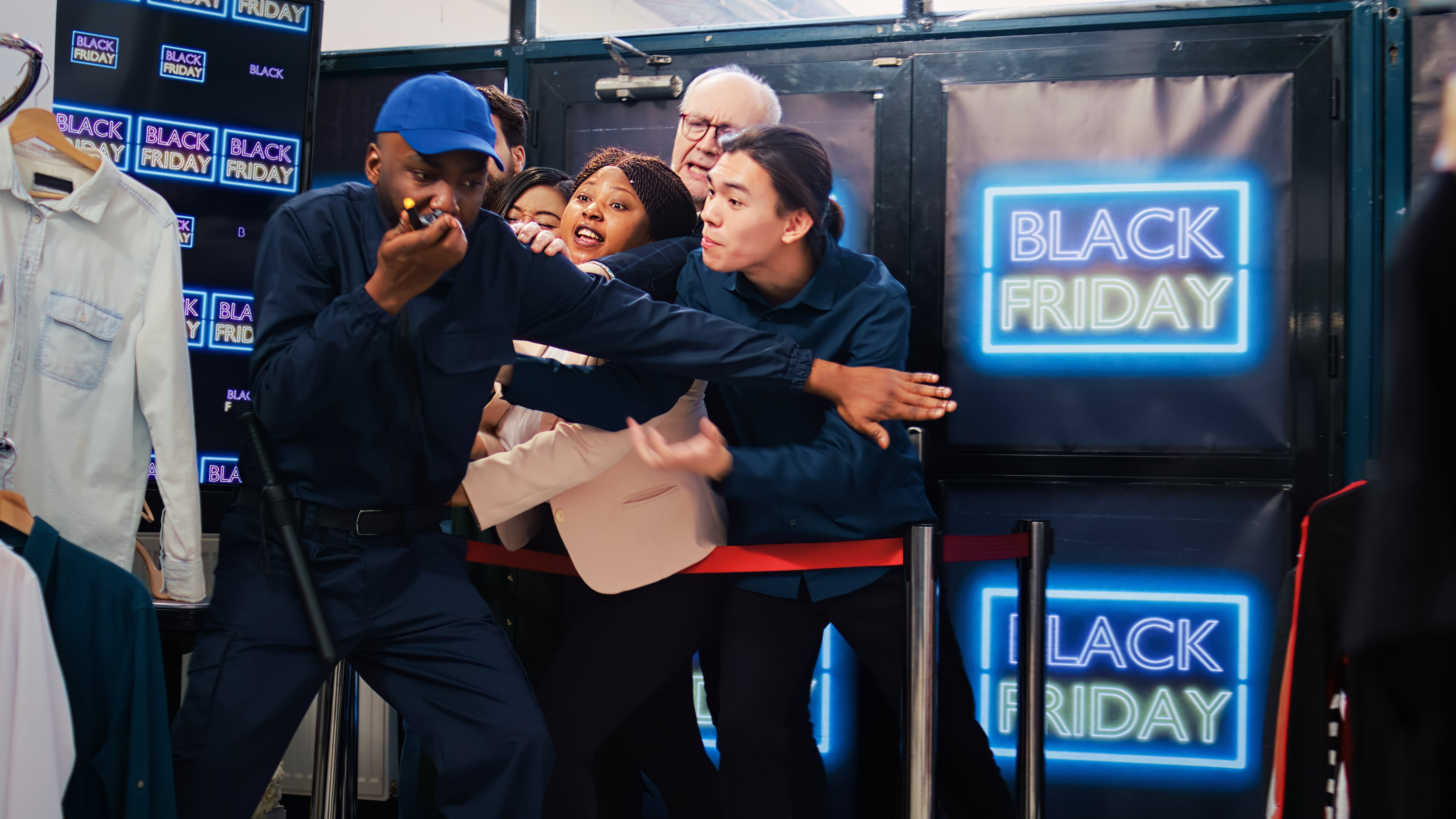
November through December is the most profitable yet most stressful period for retail businesses. As foot traffic surges for seasonal promotions, gift shopping, and Black Friday security events, retailers face an increased risk of theft, customer disputes, and crowd-management challenges. With this spike in activity also comes another recurring problem: guard fatigue, understaffing, and last-minute callouts that can leave an entire store vulnerable.
For business owners, operations managers, and security coordinators, the holiday rush demands a well-planned retail security staffing strategy. You’re not just filling shifts, you’re protecting revenue, employees, and shoppers. And with limited time, heavy turnover, and unpredictable demand, effective planning becomes mission-critical.
Whether you’re managing a national retail chain or coordinating with a contracted security provider, building reliable schedules that prevent no-shows is essential for safe and smooth operations. This guide walks you through smart planning, best practices, and modern tools to strengthen holiday security guard scheduling and minimize staffing chaos when it matters most.
Why No-Shows Are a Major Risk During Holiday Retail Security
Retailers expect the unexpected during the holidays, but few challenges disrupt operations as severely as a guard who simply doesn’t show up. We’ve seen firsthand how a missing officer on a peak weekend can expose a store to loss, long lines, safety complaints, and negative customer experiences.
No-shows aren’t just an inconvenience; they’re a liability
- According to NRF (National Retail Federation) data, in 2025, 52% of retailers reported increases in shoplifting and merchandise theft conducted by ORC (Organized Retail Crime) groups. Mall environments experience higher incidents of crowd aggression, slip-and-fall claims, and inventory shrinkage when posts are left uncovered.
- Nearly half of all retail theft, about 46% occurs in winter, and 81% of that takes place during the holiday shopping season in November and December.
- In 2023, the average shoplifting rate in November and December was 14% higher than the average for the other months of that year, the biggest seasonal jump in their timeframe.
During holiday retail security operations, absenteeism also forces managers to scramble, calling backup guards, pushing supervisors to fill posts, or paying unplanned overtime. Each gap in coverage increases risk and drains the budget.
With these stakes, reliable scheduling and a proactive plan for callouts are essential to keeping retail operations safe and efficient.
Build a Reliable Holiday Security Schedule
The strongest defense against no-shows is a clear, structured, predictable schedule built well before the season begins. Here’s how to create one.
1. Forecast Your Coverage Needs
Start with historical data. Look at:
- Last year’s foot traffic
- Prior incident logs
- Hourly sales patterns
- Promotion calendars
- Black Friday and weekend traffic surges
If you don’t have historical data, refer to broader industry benchmarks or ask your contracted security partner for regional holiday trends.
2. Use Seasonal Security Guards Wisely
Bringing in seasonal security guards can help absorb high-demand periods, but only if they’re integrated properly. Pair new seasonal hires with experienced officers on high-risk shifts and avoid assigning them to solo high-traffic posts.
3. Apply Smart Rotation and Overtime Controls
Effective security guard scheduling requires balancing fairness, fatigue, and compliance:
- Rotate overnight and closing shifts evenly.
- Cap weekly OT to reduce burnout
- Avoid scheduling the same guard for multiple consecutive high-stress days.
- Build float shifts for last-minute coverage.
Use this as a starting framework and adjust based on store size, mall requirements, or regional risk factors.
Create a Callout SOP (Standard Operating Procedure)
A callout SOP protects your operation when a guard calls in sick, is delayed, or simply doesn’t show.
What is a Callout SOP?
A structured response plan that outlines exactly what steps supervisors should take the moment a shift is compromised.
Example Callout SOP Steps
- Notification Procedure
- The guard must notify the supervisor at least 4 hours before the shift.
- Late callouts require escalation to Operations.
- Response Time Standard
- The supervisor must begin replacement outreach within 5 minutes.
- Backup Contact Tree
- Primary list: fully trained, available officers
- Secondary list: seasonal guards + part-timers.
- Tertiary list: on-call floaters.
- Documentation
- Every callout is logged in the timekeeping system for compliance.
- Repeat offenders flagged for performance review.
- Rotation Rules
- Never assign the same backup guard twice in 48 hours unless voluntary.
Legal Disclaimer:
Scheduling and callout procedures must adhere to regional labor laws governing rest periods, on-call pay, maximum work hours, and mandatory overtime policies. For U.S. companies, refer to the U.S. Department of Labor (DOL) guidelines and your state’s labor board for compliance requirements. This content is for informational purposes only and not legal advice.
Tools That Simplify Retail Security Staffing
This is where modern technology becomes a game-changer. Using security guard scheduling software like Belfry reduces human error, manual coordination, and communication breakdowns, the biggest causes of no-shows during the holidays.
How Belfry Helps Retailers and Security Teams
- Smart shift matching ensures qualified guards are placed automatically.
- Real-time updates notify officers immediately of changes.
- Availability tracking prevents assigning guards to shifts they can’t work
- GPS-synced timecards confirm arrivals and reduce disputes.
- Automated shift reminders reduce forgetfulness.
- Overtime forecasting helps prevent burnout during peak season.
For a deeper dive into how scheduling technology supports guard operations, see our articles on Best Security Guard Scheduling Software and What Does a Retail Security Guard Do?
Final Checklist: Holiday Retail Security Readiness
Before peak season hits, run through this quick readiness checklist:
- Schedule backups for every critical shift
- Cross-train seasonal security guards
- Confirm contact tree and callout SOP
- Automate shift reminders
- Monitor attendance daily
- Use float coverage for weekends and mall-wide events
- Review labor law requirements for overtime and rest periods
- Pre-plan black friday security protocols
The holiday season doesn’t have to be chaotic. With strong planning, the right tools, and a proactive approach to retail security staffing, you can maintain full coverage, reduce overtime, and protect your stores during the busiest time of the year.
Ready to streamline your security operations?
Book a free demo today and build schedules that prevent no-shows every time.

