
Guard Tour Best Practices for Crowded Venues (Stadiums, Malls, Events)
Discover expert guard tour and security patrol best practices for crowded venues. Enhance safety, visibility, and team coordination in malls, stadiums, and events.
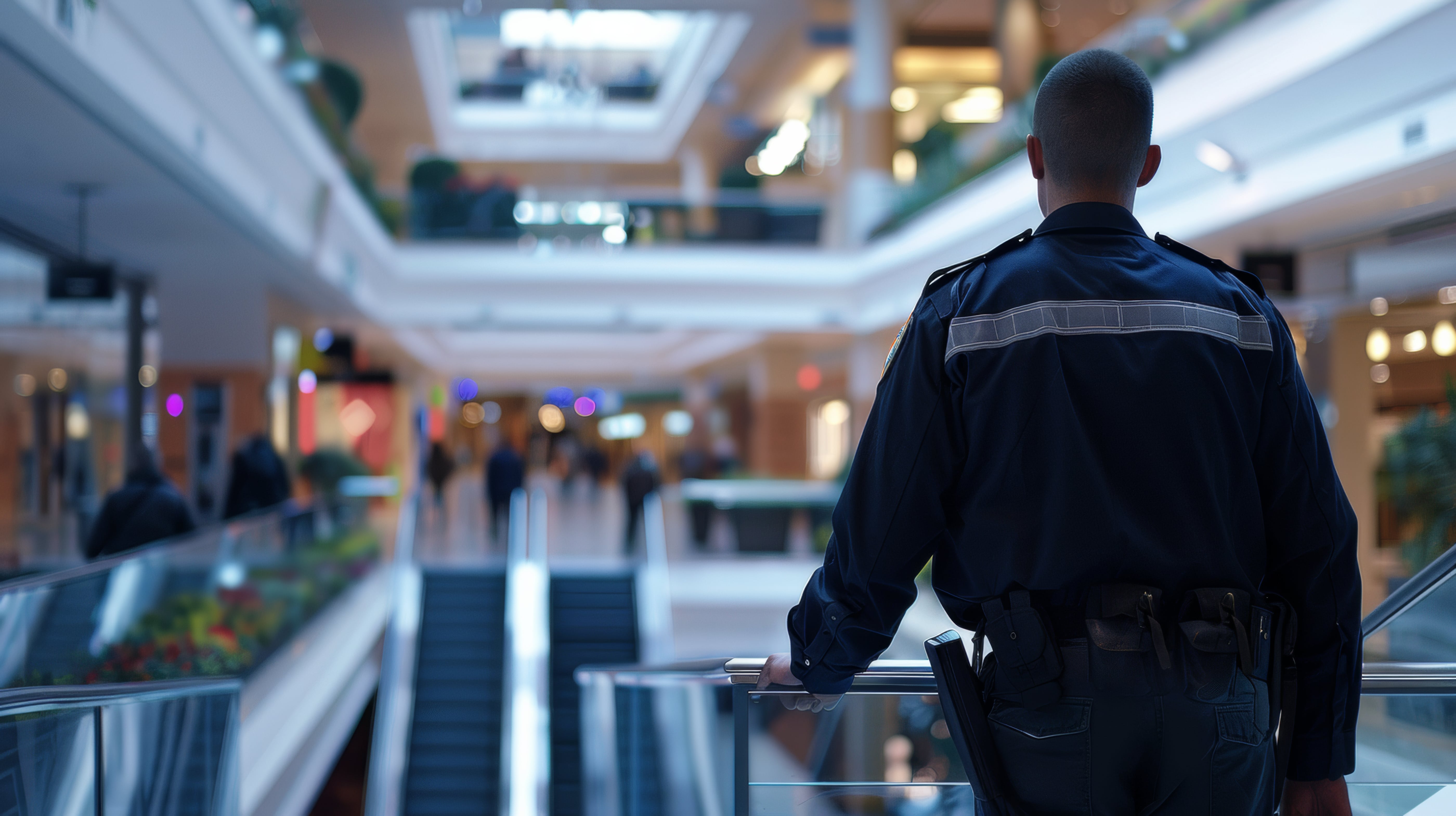
Managing security in a crowded venue, whether it’s a stadium on game day, a mall during holiday promotions, or a large public event, requires precision, structure, and constant situational awareness. As a supervisor or operations manager, you already know how quickly a routine patrol can turn into a high-pressure incident when tens of thousands of people are moving through your facility.
Crowded venues present unique challenges: blind spots created by dense foot traffic, delayed reporting caused by noise or congestion, missed patrols during peak hours, and slower incident response time when guards can’t move freely. These pressures make it difficult for any team to maintain consistent coverage without a well-designed system.
This is where security patrol best practices become essential. By combining structured patrol planning with modern tools like GPS guard tracking, NFC checkpoints, and intelligent reporting, you can dramatically improve coverage, accountability, and response times, especially during high-traffic seasons like November and December.
Why Guard Tour Structure Matters
A well-structured guard tour isn’t just about walking predictable routes; it’s about ensuring every zone receives the right level of attention at the right time.
What is a Guard Tour System?
A guard tour system is a framework that uses pre-defined routes, checkpoints, and tracking tools (such as QR/NFC tags or GPS) to ensure officers complete their assigned patrols. It enhances situational awareness, supports incident documentation, and helps supervisors verify that coverage requirements are being met.
For large venues, the right guard tour best practices reduce:
- Security blind spots
- Missed incidents
- Delayed responses
- Unauthorized access
- Incomplete patrols
When your guards follow structured and trackable patrol cycles, your entire operation becomes more proactive rather than reactive.
Designing Patrol Routes for Maximum Coverage
Crowded venues require intelligent planning to keep patrols efficient and unpredictable. You, your team, and your contracted guards must collaborate to design patrol routes that security teams can follow consistently.
1. Use A/B/C Route Rotations
Rotating through three defined routes prevents predictable patrol patterns that bad actors can exploit.
- Route A: Main concourses, entrances, service corridors
- Route B: Upper levels, escalators, stairwells, back-of-house areas
- Route C: Parking structures, exterior walkways, drop-off points
Each shift should rotate routes so guards don’t follow the same pattern daily.
2. Alternate Entry & Exit Points
This reduces the risk of blind spots and helps officers detect repeat suspicious behaviors.
3. Sample Patrol Route Diagram (Conceptual)
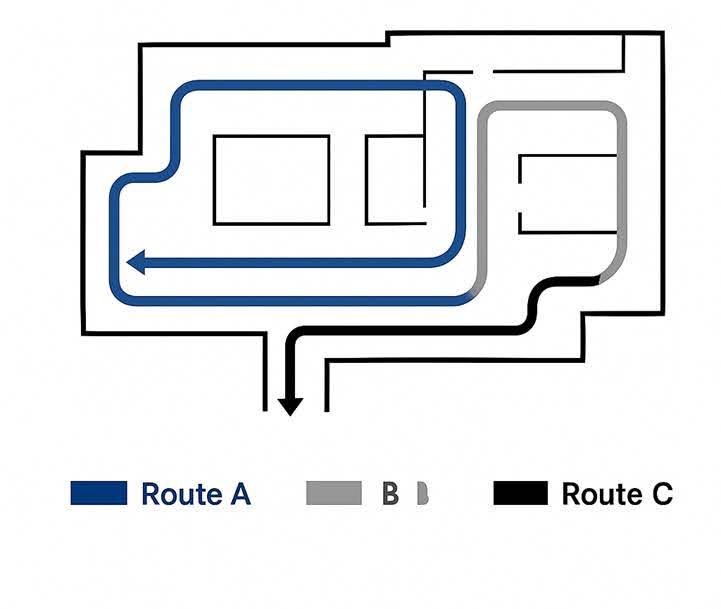
Use a full diagram in your operations manual so guards can visualize each route clearly.
4. Consider Timing & Foot Traffic
During the holidays or peak events, routes should be adjusted to reflect:
- Expected crowd surges
- Event schedules
- Vendor/contractor movements
- VIP pathways
This ensures your security patrol best practices remain aligned with real-world conditions.
Using GPS and QR/NFC Checkpoints to Improve Accountability
Modern patrol management relies heavily on technology. Tools like GPS guard tracking and NFC or QR checkpoints ensure guards complete tours on time and at the correct locations.
How Checkpoint Systems Work
- You place QR/NFC tags at critical zones
- Guards scan checkpoints using the mobile app.
- GPS adds an extra layer of verification.
- Supervisors get real-time activity logs.
Timing Matrix for Patrol Efficiency
This matrix helps supervisors assess patrol quality and detect:
- Rushed or incomplete routes
- Extended stops
- Deviations that may require follow-up
How GPS Improves Response Times
Real-time alerts notify supervisors when:
- A guard goes off-route
- A checkpoint is missed
- A panic alert is activated
- Foot traffic blocks a standard route
Faster visibility = faster incident response time.
KPIs Every Security Supervisor Should Track
To improve guard performance and venue safety, track KPIs that reflect actual patrol effectiveness:
1. Patrol Completion Rate (%)
Measures how many scheduled patrols were completed vs. assigned.
2. Missed Checkpoint Ratio
Scheduling and callout procedures must adhere to regional labor laws governing rest periods, on-call pay, maximum work hours, and mandatory overtime policies. For U.S. companies, refer to the U.S. Department of Labor (DOL) guidelines and your state’s labor board for compliance requirements. This content is for informational purposes only and not legal advice.
3. Average Incident Response Time
Evaluates how quickly guards react to alarms or alerts (a critical metric during crowded events).
4. Guard Punctuality
Late shift starts cause delayed patrol cycles and increased risk.
These KPIs become even more valuable when integrated into security operations management software or security workforce management software that automatically logs and visualizes performance.
Technology Tools That Streamline Patrol Management
This is where advanced solutions like Belfry’s security guard software make a dramatic difference.
Belfry’s Guard Patrol Management Software helps you:
- Track guard locations in real time with GPS guard tracking
- Automate checkpoint scans using NFC or QR tags
- Receive alerts for missed checkpoints or deviations
- Analyze patrol activity with automated dashboards
- Maintain shift visibility across crowded venues
- Integrate patrol data with incident reporting and scheduling
When combined with Belfry’s scheduling engine, supervisors can create:
- Holiday-ready patrol plans
- Backup shift assignments
- Callout playbooks for no-shows
- Rapid-response staffing workflows
These features make Belfry ideal for retail accounts preparing for the November–December surge.
Quick Checklist: Guard Tour Optimization
Use this checklist before your next large event or holiday rush:
- Alternate A/B/C routes each shift
- Verify checkpoints daily via GPS/NFC
- Track completion rates weekly
- Update escalation SOPs before peak events
- Use automated reporting tools for visibility
- Provide guards with active communication channels
- Maintain backup officer lists for callouts
- Review incident trends before designing new routes
Legal Disclaimer:
Guard tour planning and scheduling must comply with local labor laws covering overtime, rest periods, and maximum allowable shift lengths. Refer to the U.S. Department of Labor and your regional labor board for formal guidelines. This article is informational only and does not constitute legal advice.
Optimize Your Patrol Strategy
Crowded venues demand structured patrols, real-time visibility, and technology that keeps guards accountable. With the right guard patrol management software and the right playbook, you can increase coverage, strengthen response times, and protect every corner of your venue.
Optimize your next event’s patrol schedule. Book a free demo with Belfry Software.

